

New Location at 8406 E. Shea Blvd #100, Scottsdale 85260 - Accepting New Patients
What Not to Do After Trigger Point Injections for Safe Recovery
Date: May 4, 2026
After trigger point injections, you should avoid intense physical activity, aggressive massage, heat application, alcohol, and ignoring post-treatment instructions to ensure safe and effective recovery. These precautions help prevent unnecessary irritation, reduce the risk of complications, and allow the treated muscles to heal properly so you can get the full benefit of the procedure.
In this article, we’ll briefly explain what trigger point injections (TPI) are, what to do instead for proper recovery, expected healing time, and common side effects. We’ll also cover when to see a doctor, tips to maximize results, and simple lifestyle changes to help prevent future trigger points. Let's look at what not to do after trigger point injections for safe recovery.
What Is a Trigger Point Injection?
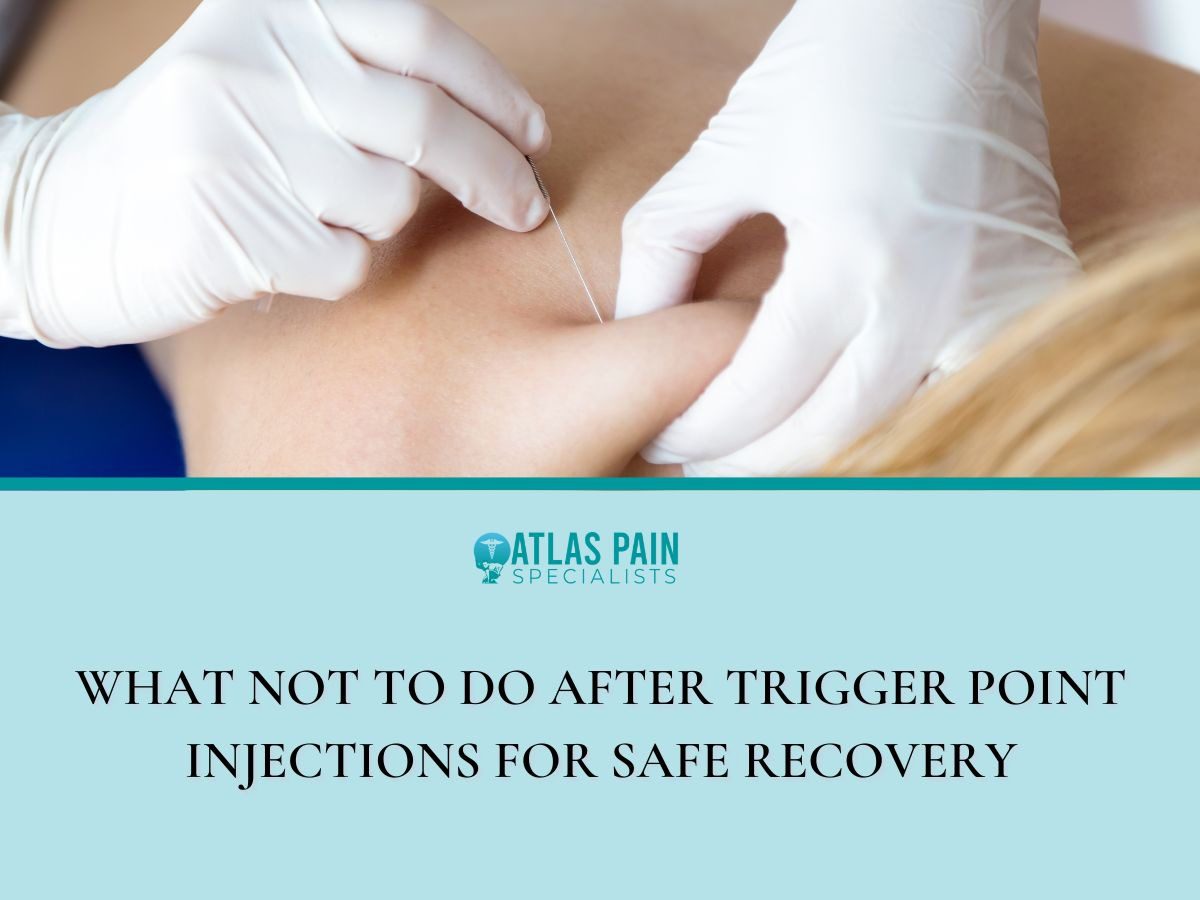
A trigger point injection is a medical treatment used to relieve pain caused by tight, sensitive knots in muscles, known as trigger points. It involves inserting a small needle directly into the affected area to deliver a local anesthetic, saline, or sometimes a corticosteroid to relax the muscle and reduce pain.
These injections are commonly used for conditions like muscle tension, myofascial pain, and tension headaches. The procedure is quick, minimally invasive, and often provides relief by improving blood flow and allowing the muscle to return to its normal function.
What Not to Do After Trigger Point Injections
Proper aftercare is essential to ensure you get the best results from trigger point injections and avoid unnecessary complications. Knowing what to avoid can help reduce irritation, support healing, and improve overall recovery.

1. Avoid Intense Physical Activity
Strenuous exercise or heavy lifting can strain the treated muscles and delay healing. It’s important to give your body time to recover before returning to high-impact activities.
2. Don’t Massage the Area Aggressively
Applying deep pressure or using massage tools on the injection site can increase inflammation and discomfort. Gentle movement is fine, but avoid anything that puts excessive force on the area.
3. Avoid Applying Heat Immediately
Using heat too soon after the injection may worsen swelling and irritation. Instead, allow the area to settle first, and consider cold therapy if needed.
4. Don’t Ignore Unusual Symptoms
While mild soreness is normal, worsening pain or signs of infection should not be overlooked. Contact a healthcare provider if symptoms seem unusual or persist longer than expected.
5. Avoid Alcohol and Dehydration
Alcohol can interfere with the healing process and may increase inflammation. Staying well-hydrated supports muscle recovery and overall healing.
6. Don’t Skip Post-Treatment Instructions
Your provider’s aftercare guidelines are tailored to your condition and recovery needs. Ignoring them can reduce the effectiveness of the treatment and prolong discomfort.
Avoiding these common mistakes after trigger point injections can make a significant difference in your recovery. Following proper care guidelines helps ensure better results and reduces the risk of complications.
What You Should Do Instead
Taking the right steps after trigger point injections is just as important as avoiding certain activities. Proper care can enhance healing, reduce discomfort, and help you get the most out of your treatment.
1. Stay Hydrated
Drinking plenty of water helps flush out toxins and supports muscle recovery. Proper hydration also improves circulation, which can aid in reducing soreness and stiffness.
2. Engage in Light Movement
Gentle movements like walking or easy stretching can help prevent stiffness without overloading the treated muscles. Keeping the body moving promotes blood flow and supports faster healing.
3. Use Cold Therapy if Needed
Applying a cold pack to the injection site can help reduce inflammation and numb soreness. Be sure to use it in short intervals to avoid skin irritation.
4. Gradually Return to Normal Activities
Ease back into your regular routine instead of jumping into intense activities right away. This gradual approach helps your muscles adapt and prevents re-injury.
5. Follow a Physical Therapy Plan
If recommended, physical therapy can strengthen muscles and address underlying issues causing trigger points. Consistency with exercises can improve long-term outcomes.
6. Maintain Good Posture and Ergonomics
Pay attention to your posture, especially during work or daily activities. Proper alignment reduces strain on muscles and helps prevent trigger points from recurring.
Following these positive recovery steps can significantly improve the effectiveness of your trigger point injections. A balanced approach of rest, gentle activity, and healthy habits supports long-term relief and muscle health.
Recovery Checklist: At a Glance
This checklist provides a quick overview of what to do and avoid after trigger point injections for safe recovery.
| Category | Do | Don't |
| Physical Activity | Engage in light movement and gentle stretching | Perform intense workouts or heavy lifting |
| Massage | Use gentle touch if needed | Apply deep pressure or massage tools on the injection site |
| Temperature | Apply cold packs if sore | Use heat immediately after injection |
| Hydration & Alcohol | Stay hydrated | Drink alcohol within 24–48 hours |
| Symptoms | Monitor for mild soreness | Ignore worsening pain, swelling, or signs of infection |
| Post-Treatment Instructions | Follow healthcare provider's advice | Skip instructions or ignore follow-up care |
Quick Tips:
- Gradually return to normal activities instead of rushing.
- Maintain good posture and ergonomics during daily activities.
- Consider physical therapy or exercises recommended by your provider.
- Track symptoms to report any unusual changes promptly.
How Long Does Recovery Take?
Recovery after trigger point injections varies depending on the individual and the severity of muscle tension. Most people experience gradual improvement within days to weeks.
- Immediate soreness (24–72 hours): Mild discomfort or tenderness at the injection site is common during the first few days. This usually subsides on its own without any special treatment.
- Pain relief onset (within a few days): Many people begin to notice reduced muscle tension and pain shortly after the procedure. Relief may feel gradual as the muscle starts to relax.
- Full benefit (1–2 weeks): The maximum effect of the injection is typically felt within one to two weeks. By this time, muscle function and comfort should significantly improve.
While some relief can be felt quickly, full recovery takes a bit more time. Being patient and following aftercare guidelines can help ensure the best outcome.
Common Side Effects to Expect
After trigger point injections, some mild side effects are normal as your muscles respond to the treatment. Most are temporary and resolve without intervention.
- Local soreness or tenderness: The injection site may feel sore for a day or two. This usually improves with rest or light movement.
- Minor bruising: Small bruises can appear around the injection site. They typically fade within a few days.
- Temporary numbness or weakness: Some people may experience brief numbness or reduced muscle strength. These effects usually resolve quickly as the anesthetic wears off.
Mild discomfort, bruising, and temporary numbness are common and expected. If any symptoms persist or worsen, it’s important to contact your healthcare provider.
When to Contact a Doctor
While most side effects after trigger point injections are mild, it’s important to know when professional medical advice is necessary. Prompt attention can prevent complications and ensure proper healing.

1. Persistent or Worsening Pain
If the pain at the injection site increases instead of gradually improving, contact your doctor. This may indicate an underlying issue or complication that needs evaluation and prompt management.
2. Signs of Infection
Redness, swelling, warmth, or pus around the injection site should not be ignored. Early medical attention can prevent the infection from worsening or spreading.
3. Difficulty Breathing or Severe Swelling
Sudden breathing problems or rapid swelling around the face or throat require urgent medical care. These could be signs of a serious allergic reaction or other critical complication.
4. Allergic Reactions
Symptoms such as hives, rash, itching, or sudden swelling should be addressed immediately. Severe reactions may require emergency treatment to prevent life-threatening issues.
While mild soreness is expected, any unusual or worsening symptoms should be reported to a healthcare provider. Timely intervention helps ensure a safe and effective recovery.
Tips to Maximize Treatment Effectiveness
Following certain practices after trigger point injections can help you achieve the best possible results and support long-term relief. These strategies complement the injection by addressing underlying muscle issues.
1. Combine Treatment With Physical Therapy
Physical therapy helps strengthen muscles and prevent recurrence. Consistent exercises can improve overall outcomes.
2. Maintain Good Posture
Proper posture reduces strain on muscles and prevents new trigger points from forming. Be mindful during work and daily activities.
3. Address Underlying Causes
Identify factors like stress, poor ergonomics, or repetitive strain that contribute to muscle tension. Making adjustments can reduce future flare-ups.
4. Stay Consistent With Follow-Up Care
Attend all recommended appointments and follow medical advice. This ensures ongoing monitoring and optimal recovery.
Integrating these tips into your routine can enhance the effectiveness of trigger point injections and promote lasting relief. Consistency and awareness are key to long-term muscle health.
Lifestyle Changes to Prevent Trigger Points
Adopting certain lifestyle habits can help prevent trigger points from recurring and support overall muscle health. Consistent attention to posture, movement, and stress management is key.
1. Stretch Regularly
Incorporate daily stretches to maintain flexibility and reduce muscle tension. Focus on areas prone to trigger points.
2. Take Breaks From Prolonged Sitting
Move around periodically to prevent stiffness and maintain circulation. Simple posture adjustments can make a big difference.
3. Improve Workstation Ergonomics
Ensure your desk, chair, and monitor setup reduce strain on muscles. Proper ergonomics prevent repetitive stress injuries.
4. Manage Stress Through Relaxation Techniques
Practice mindfulness, deep breathing, or yoga to relieve tension. Stress reduction can lower muscle tightness and trigger points.
5. Stay Physically Active With Low-Impact Exercises
Engage in activities like walking, swimming, or cycling to keep muscles strong and flexible. Regular activity reduces the likelihood of knots forming.
These lifestyle changes support long-term muscle health and help prevent trigger points. Combining movement, posture awareness, and stress management can greatly reduce the risk of recurrence.
Final Thoughts
Trigger point injections can provide significant relief from muscle pain and improve mobility, but their effectiveness depends heavily on proper aftercare. Avoiding strenuous activity, heat, deep massage, and alcohol, while adhering to your provider’s instructions, is crucial for a smooth recovery and minimizing complications.
Pairing these precautions with healthy habits like staying hydrated, gentle movement, maintaining good posture, and making lifestyle adjustments can enhance the benefits of the treatment and help prevent future trigger points. Patience, consistency, and mindful self-care are essential for long-lasting relief and overall muscle health.
About Dr. Sean Ormond

Dr. Sean Ormond is dual board-certified in Anesthesiology and Interventional Pain Management. He completed his anesthesia residency at Case Western University in Cleveland, Ohio where he served as Chief Resident, followed by an interventional pain management fellowship at Rush University in Chicago, IL. Following fellowship, Dr. Ormond moved to Phoenix and has been practicing in the Valley for a few years before deciding to start his own practice.