
Treatments
Radiofrequency Ablation in Phoenix, Arizona
We offer Radiofrequency Ablation (RFA) in Phoenix, AZ to help manage chronic nerve-related pain. This minimally invasive procedure disrupts pain signals, providing long-lasting relief for conditions like spinal arthritis and facet joint pain. RFA reduces pain, improves mobility, and enhances quality of life without major surgery or long-term medication use.
Overview
What is Radiofrequency Ablation (RFA)?
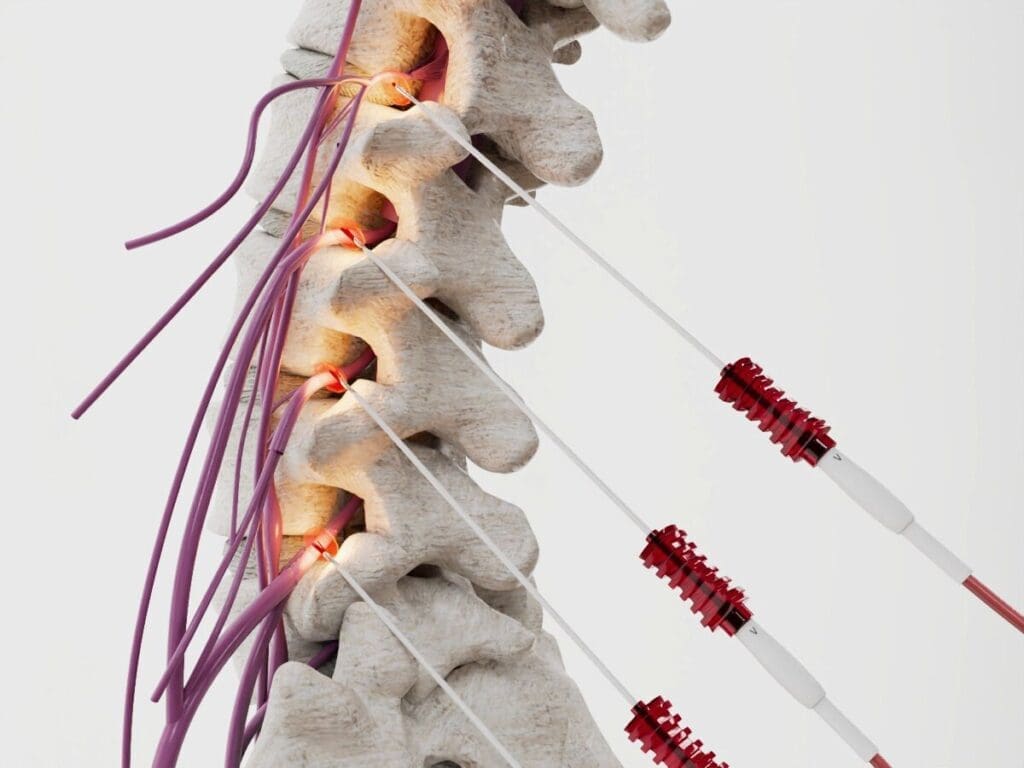
Radiofrequency Ablation (RFA) is a minimally invasive procedure used to treat chronic pain by disrupting nerve signals responsible for pain transmission. By using heat generated from radio waves, RFA targets and deactivates specific nerves, preventing them from sending pain signals to the brain. This procedure is commonly recommended for patients who experience long-term pain that hasn’t responded to medications, physical therapy, or injections.
RFA is particularly effective for spinal pain, arthritis-related joint pain, and nerve-related pain conditions. Since the procedure is performed on an outpatient basis with minimal downtime, many patients experience long-lasting pain relief and improved mobility within days. The effects can last anywhere from six months to over a year, making it a preferred choice for those seeking a non-surgical alternative to pain management.
Benefits
Benefits of Radiofrequency Ablation
01
Effective Long-Term Pain Relief
RFA provides significant pain reduction by disrupting the pain signals sent by affected nerves. Unlike medications that only mask pain, RFA targets the source by using controlled heat to deactivate specific nerves responsible for chronic discomfort. Many patients experience relief lasting from six months to over a year, depending on individual nerve regeneration. For some, pain relief extends well beyond a year, reducing the need for repeated treatments. By offering long-term pain control, RFA helps improve quality of life, mobility, and overall daily function without relying on constant medical intervention.
02
Minimally Invasive with Quick Recovery
Unlike traditional surgical procedures, RFA involves only a small needle insertion, making it one of the least invasive pain management techniques available. Since there is no need for large incisions, stitches, or general anesthesia, the procedure minimizes surgical risks and allows for a quicker return to daily activities. Most patients can go home the same day and resume light activities within 24 to 48 hours. Because it does not require extended hospital stays or prolonged rehabilitation, RFA is an efficient solution for chronic pain relief with minimal disruption to daily life.
03
Reduces or Eliminates the Need for Medications
For individuals who rely on opioids, NSAIDs, or other pain medications for chronic pain, RFA offers a safer, drug-free alternative. Since the procedure stops pain at its source, many patients are able to reduce or completely eliminate their reliance on medication. This helps prevent opioid dependence, tolerance buildup, and medication side effects like drowsiness, nausea, and digestive issues. With RFA, patients can experience consistent, long-lasting pain relief without the risks of prolonged medication use, allowing for a healthier and more sustainable pain management approach.
04
Alternative to Surgery
Not all patients are candidates for spinal fusion, joint replacements, or other invasive surgical procedures. RFA provides an effective alternative for those looking to manage chronic pain without the risks of major surgery. Since it does not require implants, large incisions, or structural changes to the body, RFA is a lower-risk, lower-complication option that can provide meaningful relief without the lengthy recovery time associated with traditional surgery. It is particularly beneficial for older adults or individuals with underlying health conditions who may not tolerate major surgical interventions well.
05
Treats Multiple Pain Conditions
One of the key benefits of RFA is its versatility in treating a wide range of chronic pain conditions. It is commonly used for spinal pain, arthritis-related joint pain, and neuropathic pain caused by irritated or damaged nerves. Conditions such as facet joint arthritis, sacroiliac joint dysfunction, knee osteoarthritis, and nerve-related back pain respond particularly well to RFA. Because it can be customized to target specific nerves, the procedure provides personalized pain relief based on a patient’s unique pain patterns and medical history.
06
Safe and Repeatable
Because nerves regenerate at different rates, some patients may experience recurring pain over time. Fortunately, RFA can be safely repeated as needed to provide consistent and ongoing pain relief without causing permanent damage to the surrounding tissues. Since the procedure is minimally invasive, repeat treatments carry little risk and can be performed as necessary to maintain long-term pain management. For patients with chronic, recurring pain conditions, the ability to undergo additional RFA procedures when needed makes it a reliable and sustainable option for pain relief.
Conditions Treated
Conditions Treated with Radiofrequency Ablation
RFA is used to treat a variety of chronic pain conditions, particularly those involving the spine, joints, and peripheral nerves. These include:
- Chronic Back and Neck Pain – Often caused by facet joint arthritis or nerve compression.
- Osteoarthritis-Related Joint Pain – Effective for knee, hip, and shoulder arthritis pain when other treatments fail.
- Sacroiliac Joint Pain – Pain originating from inflammation or dysfunction in the sacroiliac joint, which connects the spine to the pelvis.
- Neuropathic Pain – Conditions like complex regional pain syndrome (CRPS) or post-herpetic neuralgia.
- Headaches & Migraines – Used for cervicogenic headaches and occipital neuralgia caused by irritated nerves in the upper spine.
Purpose of Radiofrequency Ablation
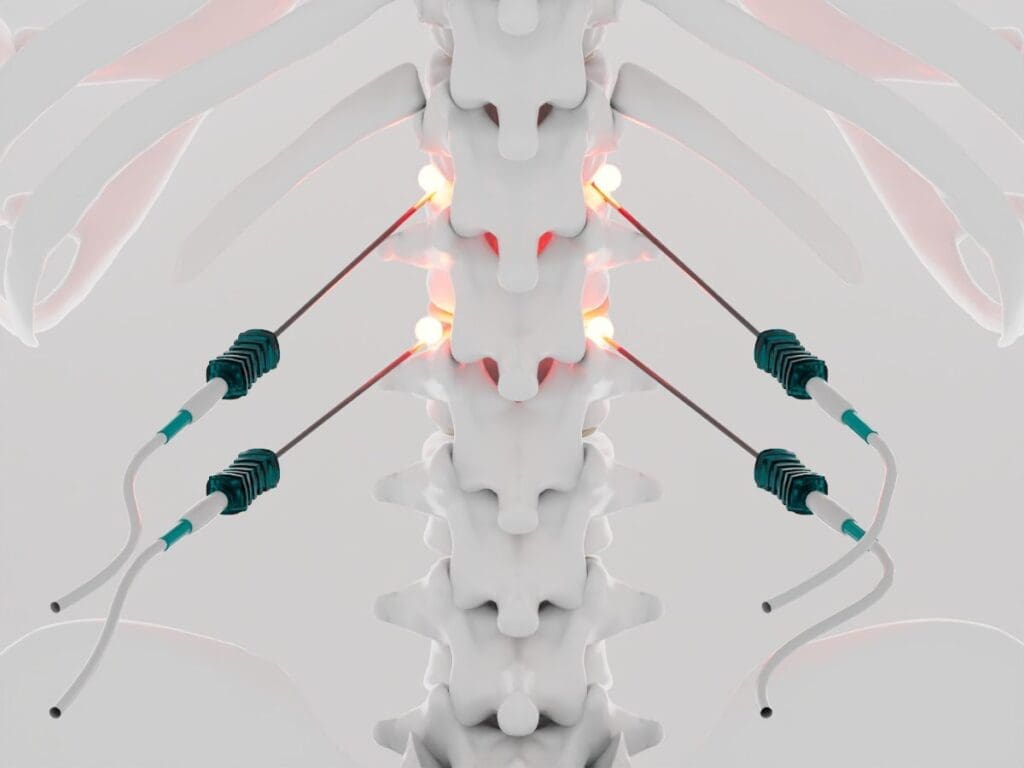
The goal of RFA is to provide long-term pain relief by disrupting pain signals at their source. Instead of relying on temporary pain relief methods like injections or medications, RFA offers a more sustainable solution for chronic pain sufferers. By applying controlled heat energy to specific nerves, the procedure stops pain transmission without affecting surrounding tissues or overall nerve function.
This procedure is often recommended for patients who have successfully responded to diagnostic nerve blocks, indicating that their pain originates from specific nerves. With minimal risks and long-lasting results, RFA helps patients return to normal activities without the burden of chronic pain.
Limitations of Radiofrequency Ablation
While RFA is highly effective, it may not be suitable for all types of pain. It works best for nerve-related pain conditions, meaning that muscle pain, mechanical back pain, or widespread conditions like fibromyalgia may not respond well. Additionally, pain relief from RFA is not permanent, as nerves can regenerate over time. Some patients may require repeat treatments to maintain long-term relief.
Another limitation is that not all nerves are suitable candidates for ablation. Some nerves play a role in essential functions like muscle movement or sensation, meaning they cannot be safely targeted for ablation. Proper diagnostic testing is crucial to determine whether RFA is the right option for a patient’s condition.
Potential Risks of Radiofrequency Ablation
RFA is considered a low-risk procedure, but like any medical treatment, it carries some potential complications. These include:
- Temporary Discomfort – Some patients may experience bruising, soreness, or mild pain at the procedure site, which typically resolves within a few days.
- Nerve Regeneration – While pain relief is long-lasting, the treated nerve may regenerate, requiring additional procedures in the future.
- Infection or Bleeding – Though rare, infection or bleeding at the injection site can occur, particularly in patients with bleeding disorders or those on blood thinners.
- Temporary Weakness or Numbness – Some patients report temporary numbness or weakness in the treated area, which usually resolves over time.
- Rare Nerve Damage – In very rare cases, incorrect placement of the needle can cause unintended nerve damage, leading to altered sensation or discomfort.
Most patients tolerate the procedure very well, and complications are uncommon when performed by an experienced specialist.
The Radiofrequency Ablation Process
The RFA procedure is performed on an outpatient basis and typically takes less than an hour. The steps include:
- Preparation & Anesthesia – The patient lies comfortably while the treatment area is numbed with local anesthesia.
- Needle Placement with Fluoroscopic Guidance – Using X-ray imaging, a small, hollow needle is inserted near the target nerve.
- Testing & Confirmation – A mild electrical current is used to confirm that the correct nerve is being targeted before ablation begins.
- Radiofrequency Energy Application – A controlled heat pulse is applied to the nerve, disrupting its ability to send pain signals.
- Closure & Recovery – The needle is removed, and a small bandage is applied. Patients are monitored briefly before going home the same day.
Recovery is typically quick, with most patients resuming light activities within 24 to 48 hours.
Types of Radiofrequency Ablation
There are different types of RFA, depending on the specific pain condition and treatment approach:
- Conventional (Thermal) RFA – Uses continuous heat energy to create a lesion on the nerve, stopping pain transmission.
- Pulsed RFA – Delivers intermittent pulses of radiofrequency energy at lower temperatures, making it suitable for sensitive nerve areas like those involved in headaches or neuralgia.
- Cooled RFA – Uses a cooled electrode to create a larger lesion, often used for sacroiliac joint pain and other deep nerve structures.
- Water-Cooled RFA – Uses circulating water to prevent excessive heating, reducing tissue damage while still effectively blocking pain signals.
Each technique is customized based on the patient’s pain condition, ensuring optimal results and long-term relief.

Accepted Insurances
No referral necessary!
Just call us and we’ll handle all the billing with your insurance company.
Common questions
Frequently Asked Questions
Still unsure? Ask us anything, or schedule a same-day appointment.
How should I sleep after radiofrequency ablation?
Most patients sleep normally the first night, with some soreness at the treatment site. After a lower back procedure, lie on your back with a pillow under your knees, or on your side with a pillow between your knees. After a neck procedure, use a supportive pillow that keeps your head level and avoid sleeping on your stomach.
Icing the area for 15 to 20 minutes before bed can ease soreness. Skip baths, hot tubs and pools for the first 24 to 48 hours while the needle sites heal. Mild soreness can disturb sleep for a week or two, and full relief often takes two to three weeks to appear.
Your pain management doctor can give you recovery instructions specific to your procedure.
What if radiofrequency ablation doesn't work?
Relief from RFA is often gradual, so we usually wait two to three weeks before judging the result. If pain has not improved after that window, the most common reason is that part of the pain comes from another structure, such as a disc, a nerve root or the sacroiliac joint.
In that case we review your exam, imaging and diagnostic block results to find what was missed. Options may include a repeat ablation with a different technique, such as cooled RFA, or another treatment we offer, such as the Intracept procedure, spinal cord stimulation or targeted injections.
Is radiofrequency ablation painful?
The procedure is done with local anesthetic. Most people feel pressure and brief tingling or muscle twitching while the doctor tests the needle position. The heating phase itself is done after the area is numbed.
Afterward, expect soreness similar to a bruise, and sometimes a sunburn feeling on the skin, for several days to two weeks. Most patients manage this with ice and over the counter pain relievers and return to light activity within 24 to 48 hours. If you are worried about discomfort, talk with your pain management doctor about sedation and aftercare options.
How much does a radiofrequency ablation cost?
With insurance, your cost depends on your deductible, copay and coinsurance. Most commercial plans and Medicare cover RFA when coverage criteria are met, and our team handles the billing with your insurer.
Without insurance, national cash prices for RFA range roughly $1,000 to $6,000 per session. The total depends on the number of levels and sides treated, the facility and whether sedation is used. The two diagnostic nerve blocks done before RFA are billed separately, so call us for a quote based on your treatment plan.
What are the side effects of radiofrequency ablation?
The most common side effects are temporary: soreness, bruising or swelling at the needle sites, and numbness or a burning, sunburn feeling over the treated area. Some patients notice a short flare of pain for one to three weeks before relief sets in.
Serious complications are rare. They include infection, bleeding (more likely in patients on blood thinners) and, very rarely, injury to a nearby nerve. Because the treated nerve slowly regrows, pain can return over time, and the procedure can then be repeated. Ask your pain management doctor how these risks apply to your health history.
Does Medicare cover radiofrequency ablation?
Yes. Medicare covers RFA for facet joint pain in the neck and back when specific criteria are met. You first need two diagnostic medial branch blocks on separate days, each giving at least 80% relief.
A repeat ablation of the same region is covered once the previous one gave at least 50% relief for six months or longer. Medicare allows up to two ablation sessions per spinal region in a 12 month period. Medicare Advantage plans follow similar rules but may require prior authorization, which our team requests for you.
Is radiofrequency ablation a surgery?
No. RFA is a needle based outpatient procedure that uses live X ray guidance, with no incision, stitches or general anesthesia. It usually takes less than an hour, and you go home the same day.
Because nothing is removed or implanted, recovery is much shorter than after spine surgery. Most patients resume light activities within one to two days. Your pain management doctor can explain what the procedure involves in your case.