
Treatments
Kyphoplasty in Phoenix, Arizona
We offer Kyphoplasty treatment in Phoenix, AZ to help patients manage pain associated with vertebral compression fractures and improve spinal stability. This treatment can be an effective option for reducing pain and improving mobility, contributing to a better overall quality of life.
Overview
What is Kyphoplasty?
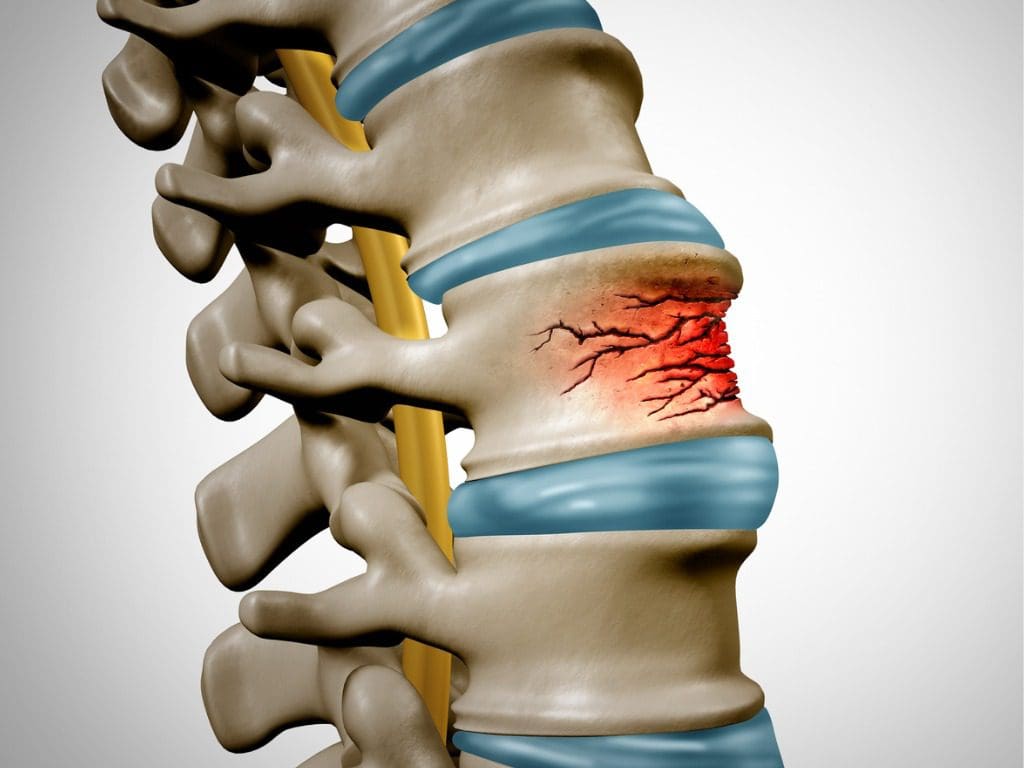
Kyphoplasty is a minimally invasive procedure designed to treat painful vertebral compression fractures (VCFs) often caused by osteoporosis, trauma, or cancer. These fractures can lead to severe back pain, reduced mobility, and spinal deformities if left untreated.
This procedure works by stabilizing the fractured vertebra and restoring height. A small balloon is inserted into the affected vertebra and carefully inflated to create space. Once the space is formed, bone cement is injected to strengthen the vertebra and relieve pain.
Kyphoplasty is a safe and effective option for patients experiencing chronic back pain due to compression fractures. It offers rapid pain relief, improved spinal stability, and quicker recovery times compared to traditional treatments. Most patients experience significant pain reduction and restored mobility within days after the procedure.
Benefits
Benefits of Kyphoplasty
01
Improves Quality of Life
Living with a vertebral compression fracture can significantly impact mobility, independence, and overall well-being. Kyphoplasty is a highly effective solution that helps patients regain function by reducing pain, restoring spinal stability, and improving posture. Unlike long-term pain medications or more invasive surgeries, kyphoplasty offers a targeted approach to treating fractures with minimal disruption to daily life.
02
Minimally Invasive Procedure
Kyphoplasty is a minimally invasive outpatient procedure that provides relief without the need for major surgery. The treatment involves a small incision, a specialized balloon to restore vertebral height, and bone cement to reinforce the spine. Since it is a low-risk alternative to traditional spinal surgery, patients typically experience less pain, shorter recovery times, and minimal disruption to their routine.
03
A Better Alternative to Long-Term Pain Medications
Chronic pain from vertebral fractures is often managed with opioids or other pain medications, but these treatments come with risks, including dependency, side effects, and reduced effectiveness over time. Kyphoplasty directly addresses the source of the pain, stabilizing the fractured bone and allowing patients to experience relief without relying on long-term medication use.
04
Cost-Effective for Treating Spinal Fractures
Delaying treatment for vertebral fractures can lead to worsening pain, spinal deformities, and increased medical expenses over time. Kyphoplasty has been shown to reduce hospitalizations, prevent complications, and lower long-term healthcare costs by offering a durable solution that restores spinal integrity. Many insurance providers now recognize the cost-saving benefits of early kyphoplasty intervention.
05
Fast Recovery and Lasting Relief
Unlike traditional spinal surgery, kyphoplasty allows for rapid recovery, with most patients returning to light activities within days. The procedure not only relieves pain but also prevents further collapse of the vertebra, reducing the risk of future fractures and long-term spinal issues. Patients can enjoy better mobility, posture, and quality of life with minimal downtime.
Conditions Treated
Conditions Treated with Kyphoplasty
Kyphoplasty is primarily used to treat vertebral compression fractures caused by:
- Osteoporosis – The most common cause of VCFs, osteoporosis weakens the bones, making them more prone to fractures.
- Traumatic Injuries – Falls, car accidents, or other high-impact incidents can cause spinal fractures.
- Cancer-related fractures – Cancers that spread to the bones (metastatic disease) can weaken the spine and lead to fractures.
- Multiple Myeloma – A blood cancer that affects bone strength and structure, making fractures more likely.
If left untreated, these conditions can lead to chronic pain, loss of mobility, and progressive spinal deformity, which is why kyphoplasty is an important treatment option for eligible patients.

Purpose of Kyphoplasty
Kyphoplasty is a minimally invasive spinal procedure designed to treat vertebral compression fractures (VCFs), which are often caused by osteoporosis, trauma, or metastatic cancer. These fractures can lead to severe back pain, reduced mobility, and spinal deformities if left untreated. The goal of kyphoplasty is to relieve pain, restore vertebral height, and stabilize the spine by reinforcing the fractured bone with specialized bone cement.
This procedure is particularly beneficial for patients who have persistent pain that hasn’t improved with conservative treatments like rest, pain medication, or bracing. Many individuals experience significant pain relief and improved function within days of the procedure, allowing them to return to normal activities with greater comfort.
Limitations of Kyphoplasty
While kyphoplasty is an effective treatment for vertebral compression fractures, it is not suitable for all spinal conditions. The procedure is designed to address fractures caused by osteoporosis or trauma, but it cannot correct long-standing spinal deformities or advanced degenerative spine diseases.
Other limitations include:
- It is less effective for chronic fractures that have already healed.
- It does not address spinal stenosis or herniated discs.
- It is not recommended for patients with active infections or severe spinal instability.
A thorough evaluation, including imaging tests like X-rays or MRIs, is necessary to determine if kyphoplasty is the right treatment for an individual’s condition.
Has Kyphoplasty Ever Been Associated With Any Potential Risks?
Kyphoplasty is generally a safe and well-tolerated procedure, but like any medical treatment, it carries some risks. Complications are rare, but they may include:
- Cement leakage: In rare cases, the bone cement can leak into surrounding areas, potentially irritating nerves or blood vessels.
- Infection: Any surgical procedure carries a small risk of infection at the injection site.
- Nerve damage: If the cement or instruments press against a nerve, it could cause numbness, weakness, or pain.
- Blood clot formation: As with any surgical intervention, there is a minimal risk of developing blood clots.
- Allergic reaction: Some individuals may experience a reaction to anesthesia or the materials used.
Despite these risks, kyphoplasty has a high success rate, and most patients experience significant pain relief with minimal complications.
The Kyphoplasty Process: Step-by-Step
Kyphoplasty is a quick and minimally invasive procedure, typically performed on an outpatient basis. It involves the following steps:
- Preparation: The patient is given local or general anesthesia, and a small incision is made near the affected vertebra.
- Balloon insertion: A hollow needle is inserted into the fractured vertebra, and a small balloon is inflated to create space and restore height.
- Cement injection: The balloon is removed, and medical-grade bone cement is injected to stabilize the vertebra.
- Sealing the incision: Once the cement hardens (within minutes), the needle is removed, and the incision is closed.
- Recovery: Most patients go home the same day and experience immediate pain relief, although full recovery may take a few days.
After the procedure, patients are advised to avoid heavy lifting and strenuous activities for a few weeks to allow the spine to heal properly.
Types of Vertebral Compression Fractures Treated with Kyphoplasty
Kyphoplasty is most effective for acute or subacute compression fractures, meaning fractures that are relatively recent and still causing pain. Some of the common types include:
- Wedge fractures: The front of the vertebra collapses, creating a wedge-like shape and leading to kyphosis (hunchback posture).
- Biconcave fractures: The middle of the vertebra collapses, causing the bone to become concave in appearance.
- Crush fractures: The entire vertebra collapses uniformly, which can lead to severe instability.
The type and severity of the fracture determine whether kyphoplasty or another treatment approach is best.

Accepted Insurances
No referral necessary!
Just call us and we’ll handle all the billing with your insurance company.
Common questions
Frequently Asked Questions
Still unsure? Ask us anything, or schedule a same-day appointment.
Is kyphoplasty safe for elderly patients?
Yes. Most people who need kyphoplasty are older adults with osteoporosis, and the procedure is designed with them in mind. It is done through small needle sites, usually with local anesthetic and light sedation, and most patients go home the same day.
Large studies of Medicare patients have linked kyphoplasty with better survival than nonsurgical care for compression fractures. Before treatment, we review your heart and lung health, blood thinners and bone density so the plan fits your overall health.
How long should you have pain after kyphoplasty?
Many patients notice less fracture pain within 24 to 48 hours. Soreness at the needle sites is normal and usually fades within a few days to a week.
You can return to light activity quickly, but avoid heavy lifting and strenuous activity for a few weeks. New or worsening back pain after recovery should be checked, since it can signal a fracture at another level. Contact your pain management doctor if your pain does not follow the expected recovery.
Is kyphoplasty permanent?
Yes. The bone cement hardens within minutes and stays in the vertebra for life, keeping the treated bone stable. It does not need to be removed or replaced.
Kyphoplasty does not treat osteoporosis itself, so new fractures can still happen in other vertebrae. Treating bone health with medication, vitamin D, calcium and fall prevention lowers that risk. Ask your doctor about a bone health plan after your procedure.
Is kyphoplasty a major surgery?
No. Kyphoplasty is a minimally invasive outpatient procedure that usually takes under an hour per vertebra. It is done through one or two small needle sites in the back, guided by live X ray, with no large incision.
Most patients go home the same day with small bandages and walk soon after the procedure. Recovery is measured in days, not the months that open spine surgery can require.
How long does kyphoplasty last?
The stabilization is permanent because the cement stays in the bone. Studies show that pain relief and better mobility are generally maintained for years after treatment.
If pain returns later, it is usually from a new fracture elsewhere in the spine rather than the treated level. That new fracture can often be treated the same way.
Can kyphoplasty be done on old fractures?
Kyphoplasty works best on fractures that are still healing, typically within the first few weeks to months. A fracture that is older can still be treated if it has not healed, which an MRI can show as swelling inside the bone.
Fractures that have fully healed usually do not benefit, because the bone is no longer moving or causing the pain. We review your imaging to see if your fracture is still a good candidate.