
Treatments
Intracept Procedure in Phoenix, Arizona
At Atlas Pain Specialists, we offer the Intracept procedure in Phoenix, AZ as a minimally invasive option for patients experiencing chronic low back pain related to degenerative disc changes. This advanced treatment targets specific pain pathways, aiming to reduce discomfort and improve overall function.
Overview
What is the Intracept Procedure?
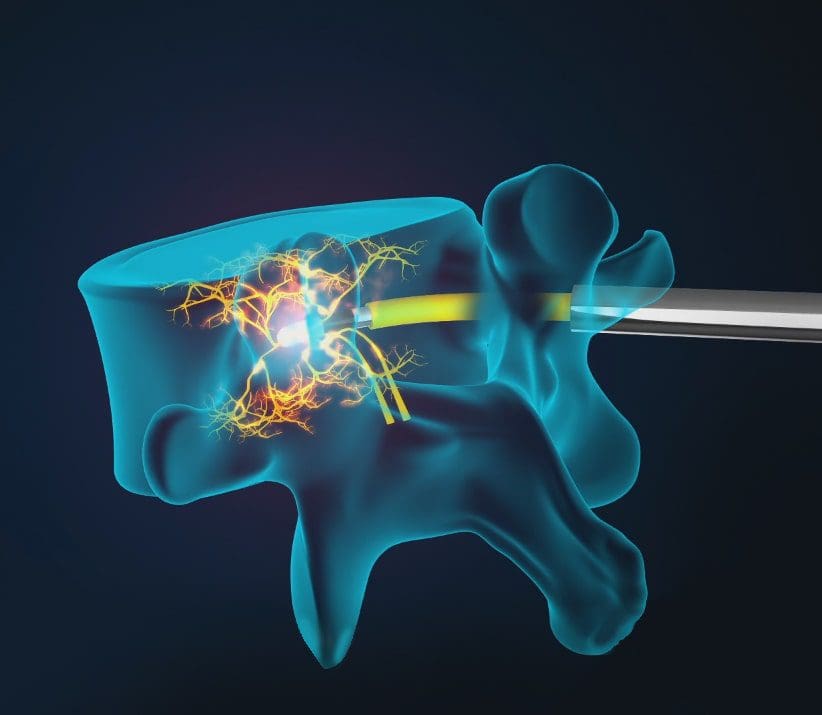
The Intracept Procedure is a minimally invasive, FDA-cleared treatment designed for patients suffering from chronic low back pain caused by vertebrogenic pain. This type of pain originates from the basivertebral nerve (BVN), which carries pain signals from damaged vertebral endplates to the brain. Unlike other treatments that focus on symptom relief, Intracept directly targets the root cause by disrupting the BVN’s ability to transmit pain signals, providing long-term relief.
This procedure is particularly beneficial for patients with persistent, activity-related lower back pain lasting six months or longer, especially those who have not found relief with medications, physical therapy, or injections. Since the Intracept Procedure is performed through a small incision, it allows for fast recovery, minimal downtime, and does not involve implants or structural changes to the spine. Many patients experience significant, lasting pain reduction, improving their mobility and quality of life.
Benefits
Benefits of the Intracept Procedure
01
Targeted Pain Relief
Unlike treatments that only provide temporary symptom relief, the Intracept Procedure directly targets the basivertebral nerve (BVN), which is responsible for transmitting pain signals from damaged vertebrae. By disrupting this nerve’s function, the procedure prevents pain signals from reaching the brain, leading to long-term relief. This approach is particularly effective for vertebrogenic low back pain, which is caused by inflammation and deterioration of the vertebral endplates. Instead of relying on medications or repeated injections, Intracept addresses the root cause of pain, helping patients regain comfort and mobility.
02
Minimally Invasive & Outpatient-Based
The Intracept Procedure is performed through a small incision, avoiding the need for spinal fusion, implants, or major surgical interventions. Using fluoroscopic guidance, a thin probe is inserted into the vertebrae, allowing for precise targeting of the basivertebral nerve without damaging surrounding tissues. Because this is a minimally invasive, outpatient procedure, most patients return home the same day and experience minimal post-procedure discomfort. This approach eliminates the risks of open back surgery, making it a safer, highly effective option for treating chronic vertebrogenic pain.
03
Long-Lasting Pain Reduction
One of the biggest advantages of the Intracept Procedure is its ability to provide long-term pain relief. Clinical studies have shown that patients experience significant pain reduction that lasts for years, allowing them to resume daily activities without constant discomfort. Unlike treatments that require frequent follow-up injections or ongoing therapy, Intracept permanently disrupts pain transmission at the source, offering a lasting solution for chronic low back pain. Many patients report a substantial improvement in mobility, quality of life, and overall function, making this a game-changing procedure for those suffering from persistent pain.
04
No Need for Ongoing Medications
Chronic pain often forces patients to rely on opioids, NSAIDs, or other pain-relieving medications that may come with significant side effects and long-term risks. The Intracept Procedure helps patients reduce or completely eliminate their dependence on pain medications by stopping pain at its source rather than simply masking symptoms. This means fewer concerns about tolerance, dependence, gastrointestinal issues, or cognitive side effects that often come with long-term medication use. Many patients who undergo Intracept find they no longer need daily pain management, allowing them to live healthier and more active lives.
05
Preserves Spinal Structure
Unlike spinal fusion or disc replacement surgeries, which can alter the natural movement and biomechanics of the spine, the Intracept Procedure leaves the spinal anatomy completely intact. It does not require implants, hardware, or structural changes to the spine, ensuring that patients maintain normal mobility and function. By only targeting the basivertebral nerve, Intracept effectively relieves pain while preserving spinal stability, making it a safer and less disruptive option for long-term pain relief. This allows patients to move freely and engage in activities without compromising spinal integrity.
06
Quick Recovery & No Hospitalization
Most patients undergoing the Intracept Procedure experience a fast recovery with minimal downtime. Since the procedure is minimally invasive and does not require hospitalization, patients can resume light activities within a few days. Unlike major back surgeries, which can require months of recovery and rehabilitation, Intracept allows for a gradual return to normal function without extensive physical therapy. This means patients can get back to work, exercise, and daily life faster, enjoying long-lasting pain relief without the stress of a prolonged recovery process.
Conditions Treated
Conditions Treated with the Intracept Procedure
Intracept is specifically designed to treat vertebrogenic pain, a condition caused by inflammation and damage to vertebral endplates, the thin layers of bone between spinal discs and vertebrae. It is used for:
- Chronic Low Back Pain (6+ months) – Particularly for patients who have failed conservative treatments like physical therapy or injections.
- Pain Associated with Modic Changes (Type 1 or 2) – MRI findings that show inflammation or degeneration of the vertebral endplates, indicating vertebrogenic pain.
- Activity-Related Back Pain – Patients who experience worsening pain with movement, standing, or prolonged sitting but relief when lying down.
- Patients Seeking an Alternative to Surgery – Intracept is an excellent option for individuals looking to avoid spinal fusion or other major procedures.

Purpose of the Intracept Procedure
The primary goal of Intracept is to provide long-term relief from vertebrogenic pain by disrupting pain transmission from the basivertebral nerve. Unlike traditional treatments that focus on managing symptoms, Intracept targets the nerve responsible for chronic low back pain, preventing it from sending pain signals to the brain.
This procedure is ideal for patients who have not responded to conservative treatments, such as medications, physical therapy, or injections, and are looking for a minimally invasive alternative to more aggressive surgical options. By preserving spinal stability and avoiding implants, Intracept allows patients to maintain normal spinal function while significantly improving pain and mobility.
Limitations of the Intracept Procedure
While Intracept is an effective treatment for vertebrogenic low back pain, it is not suitable for all types of back pain. The procedure is specifically designed for patients with pain caused by Modic changes and basivertebral nerve irritation. It may not be effective for conditions like:
- Herniated Discs – If nerve compression from a herniated disc is the primary issue, other treatments may be more appropriate.
- Facet Joint Arthritis – Pain originating from the facet joints or spinal instability may not respond to Intracept.
- Severe Spinal Deformities – Patients with significant scoliosis or fractures may require more extensive spinal procedures.
Additionally, while pain relief is long-lasting, some patients may still experience residual or partial pain from other spinal structures, requiring additional treatments.
Potential Risks of the Intracept Procedure
Although Intracept is a low-risk procedure, like any medical treatment, there are some potential complications. These include:
- Temporary Discomfort – Some patients experience mild soreness or localized pain at the incision site, typically resolving within a few days.
- Infection – While rare, any procedure involving a skin incision carries a small risk of infection, which may require treatment.
- Bleeding or Bruising – Minimal bleeding is expected, but excessive bruising is uncommon.
- Incomplete Pain Relief – While most patients experience significant pain reduction, results can vary, and some may require additional treatments.
- Nerve Irritation – Rarely, patients may feel temporary numbness or tingling near the treatment area.
Despite these risks, Intracept is considered a highly safe procedure with a very low rate of complications compared to traditional spinal surgeries.
The Intracept Procedure Process
The Intracept Procedure is performed as an outpatient procedure under local anesthesia and typically takes less than an hour. The steps include:
- Patient Preparation – The patient lies face down, and the treatment area is numbed with local anesthesia.
- Fluoroscopic Guidance – Using real-time X-ray imaging, the physician carefully positions a thin probe into the vertebral body near the basivertebral nerve.
- Radiofrequency Ablation – The probe delivers controlled heat energy, which ablates (deactivates) the basivertebral nerve, stopping it from sending pain signals.
- Closure & Recovery – The probe is removed, and a small bandage is placed over the incision. No stitches are required.
- Post-Procedure Care – Patients return home the same day and typically resume light activity within a few days, with gradual improvement over several weeks.
Alternative & Related Procedures
Intracept is one of several minimally invasive treatments for chronic low back pain. Depending on the cause of pain, other options include:
- Radiofrequency Ablation (RFA) – Used for facet joint or sacroiliac joint pain, where nerve endings are heated to block pain signals.
- Spinal Cord Stimulation (SCS) – A neuromodulation technique that delivers electrical pulses to mask pain signals in the spinal cord.
- Interspinous Spacers – A device implanted between vertebrae to reduce pressure on spinal nerves in cases of lumbar stenosis.
- Epidural Steroid Injections (ESI) – Provides temporary pain relief for nerve inflammation caused by disc herniation or arthritis.
For patients specifically suffering from vertebrogenic low back pain, Intracept remains the most direct, long-term solution that addresses pain at its neurological source.

Accepted Insurances
No referral necessary!
Just call us and we’ll handle all the billing with your insurance company.
Common questions
Frequently Asked Questions
Still unsure? Ask us anything, or schedule a same-day appointment.
What is the Intracept procedure?
Intracept is an FDA cleared, minimally invasive outpatient procedure for chronic low back pain that comes from the vertebrae themselves. It targets the basivertebral nerve, which runs inside each vertebra and carries pain signals from damaged vertebral endplates.
Using live X ray guidance, the doctor passes a thin probe into the vertebra and heats the nerve with radiofrequency energy so it stops sending pain signals. The procedure usually takes about an hour, leaves no implant, and patients go home the same day.
What is the Intracept procedure for back pain?
Intracept treats vertebrogenic low back pain, a specific type of chronic back pain linked to wear and inflammation of the vertebral endplates. It is meant for patients who have had low back pain for at least six months that has not improved with physical therapy, medication or injections.
The pain is usually felt in the middle of the low back and gets worse with sitting, bending or activity. An MRI must show Modic changes, a marker of endplate damage, at the L3 through S1 levels. It is not a treatment for sciatica, disc herniation or facet joint pain.
Does Medicare cover the Intracept procedure?
Yes. Medicare covers basivertebral nerve ablation through local coverage policies, including the one that applies to Arizona, when patients meet the criteria. These include at least six months of low back pain, six months of failed conservative care and Modic changes on MRI.
Many Medicare Advantage and commercial plans also cover Intracept, often with prior authorization. Our team verifies your coverage and submits the paperwork before your procedure.
Is the Intracept procedure permanent?
Intracept is designed as a one time treatment for each vertebral level. In long term follow up, patients kept their improvements in pain and function five years or more after treatment.
It does not stop age related changes in other parts of the spine, such as the discs or facet joints. If new pain develops from a different source later, it may need a different treatment. Your pain management doctor can explain what to expect for your specific spine.
Is the Intracept procedure the same as ablation?
Intracept is a type of radiofrequency ablation, but it is different from the standard RFA used for facet joint pain. Standard RFA treats small nerves outside the bone that supply the facet joints, and its relief often lasts six months to a year.
Intracept reaches the basivertebral nerve inside the vertebral body, which treats a different source of back pain. Because of where that nerve sits, results in studies have lasted for years rather than months.
What is the success rate of the Intracept procedure?
In the SMART randomized trial, 66% of patients treated with Intracept reported at least 50% less pain five years later. Nearly half reported at least 75% less pain, and about one third were pain free.
Average disability scores also dropped by more than half over that period. Results depend on careful patient selection, which is why we confirm vertebrogenic pain with MRI before recommending the procedure.