

New Location at 8406 E. Shea Blvd #100, Scottsdale 85260 - Accepting New Patients

How to Relieve Scoliosis Pain at Home Safely
Date: March 9, 2026
Relieving pain from scoliosis at home safely often involves a combination of gentle stretching, core-strengthening exercises, heat or cold therapy, good posture, proper sleep support, massage, maintaining a healthy weight, careful use of pain relievers, and scoliosis-specific exercises. These simple strategies can help reduce muscle tension, support spinal alignment, and ease discomfort caused by Scoliosis.
In addition to home pain-relief methods, this article also covers important information about scoliosis, including its causes, types, common risk factors, how it is diagnosed, and when pain may require medical attention. Let's look at how to relieve scoliosis pain at home safely.
Understanding Scoliosis Pain
Scoliosis can cause discomfort when the abnormal spinal curve places uneven pressure on muscles, joints, and ligaments in the back. Understanding why pain occurs can help individuals manage symptoms more effectively and support better spinal health.
1. Muscle Imbalance
The spinal curve causes muscles on one side of the back to work harder than the other. This imbalance can lead to muscle fatigue, tightness, and soreness over time.
2. Joint and Disc Pressure
Uneven spinal alignment can place additional pressure on spinal joints and discs. This strain may contribute to stiffness and localized back pain.
3. Postural Strain
People with scoliosis may unknowingly adjust their posture to compensate for the curve. Over time, these adjustments can strain muscles and worsen discomfort.
4. Nerve Irritation
In some cases, the curvature of the spine may irritate nearby nerves. This can lead to symptoms such as tingling, numbness, or pain that radiates to other areas of the body.
Understanding these factors can help explain why scoliosis pain occurs and highlight the importance of proper care, posture, and strengthening exercises in managing symptoms.
What Causes Scoliosis Pain?
Pain associated with Scoliosis usually develops when the abnormal spinal curve places uneven stress on the surrounding muscles, joints, and tissues. Several physical factors can contribute to this discomfort over time.
1. Muscle Fatigue
Because the spine is unevenly aligned, certain back muscles must work harder to maintain balance and posture. This constant effort can lead to muscle fatigue and soreness.
2. Spinal Joint Stress
The curve of the spine may place extra pressure on specific joints. Over time, this strain can cause stiffness, inflammation, and localized back pain.
3. Ligament Strain
Ligaments that support the spine may stretch unevenly due to the curvature. This imbalance can lead to irritation and discomfort around the affected area.
4. Poor Posture Habits
Slouching or improper sitting positions can worsen spinal misalignment. This added strain may intensify pain and muscle tension.
5. Degenerative Changes
In adults, scoliosis may lead to gradual wear and tear on spinal discs and joints. These changes can contribute to chronic pain or stiffness.
Understanding the causes of scoliosis pain can help individuals recognize triggers and take steps to reduce strain on the spine through proper care and lifestyle adjustments.
How to Safely Relieve Scoliosis Pain at Home
Managing discomfort caused by Scoliosis often involves simple habits and self-care strategies that help reduce muscle strain and support the spine. While home remedies cannot correct the spinal curve itself, they can significantly ease pain and improve daily comfort when practiced consistently.
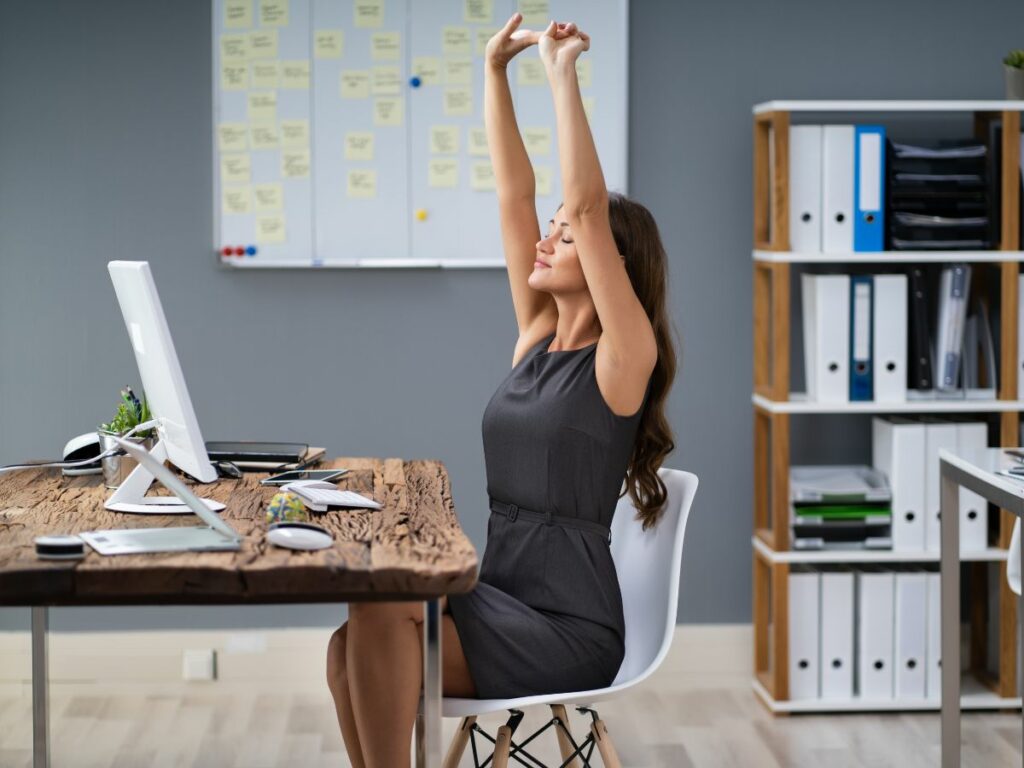
1. Gentle Stretching
Regular stretching helps loosen tight muscles that develop due to uneven spinal alignment. Gentle movements improve flexibility and reduce stiffness, especially in the back, shoulders, and hips. Performing simple stretches daily can help relieve tension and improve mobility.
2. Core and Back Strengthening
Strengthening the core and back muscles provides better support for the spine. Stronger muscles help stabilize the body and reduce pressure on spinal joints. Over time, this can improve posture and lessen pain caused by muscle imbalance.

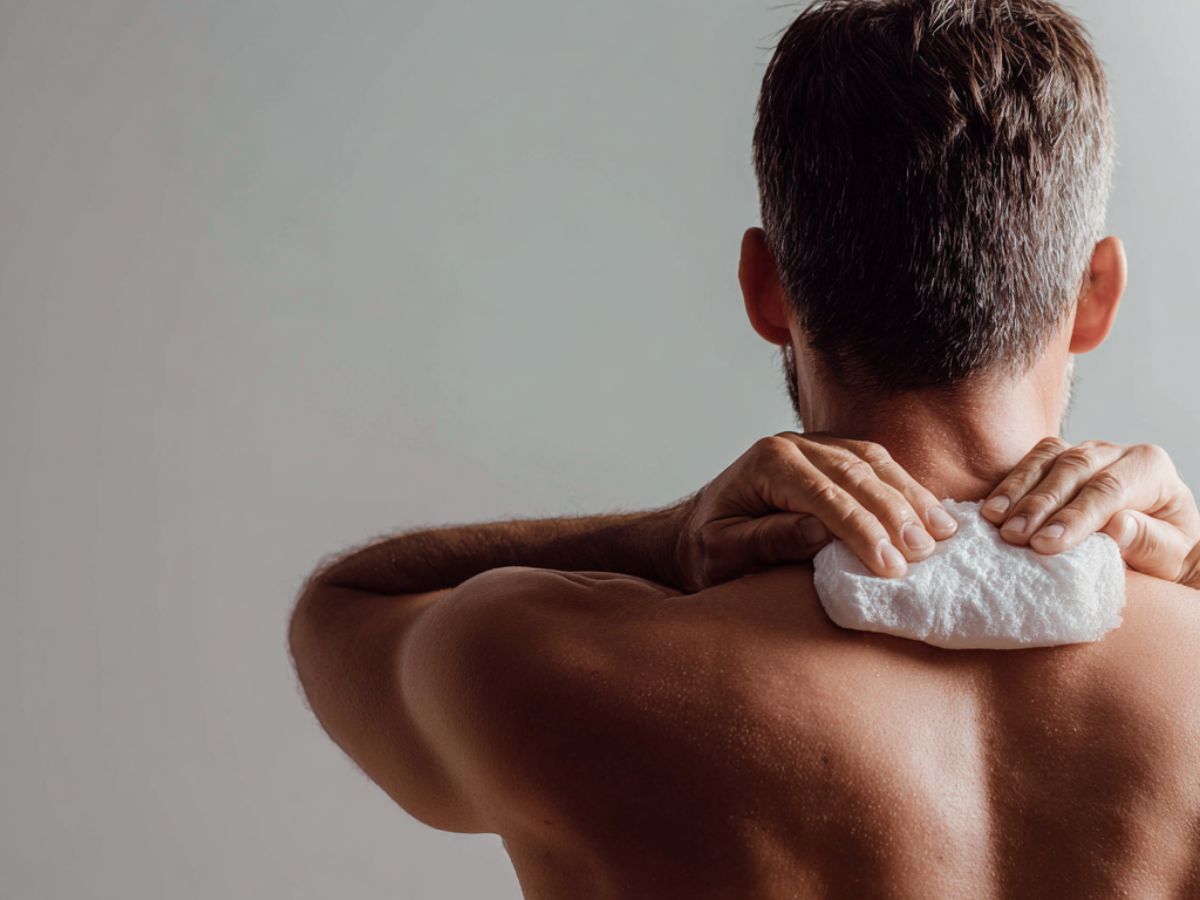
3. Heat and Cold Therapy
Applying heat or cold packs can help relieve scoliosis-related discomfort. Cold therapy is useful for reducing inflammation and numbing sore areas, while heat helps relax tight muscles and improve blood circulation. Alternating between the two methods may provide additional relief.
4. Maintaining Proper Posture
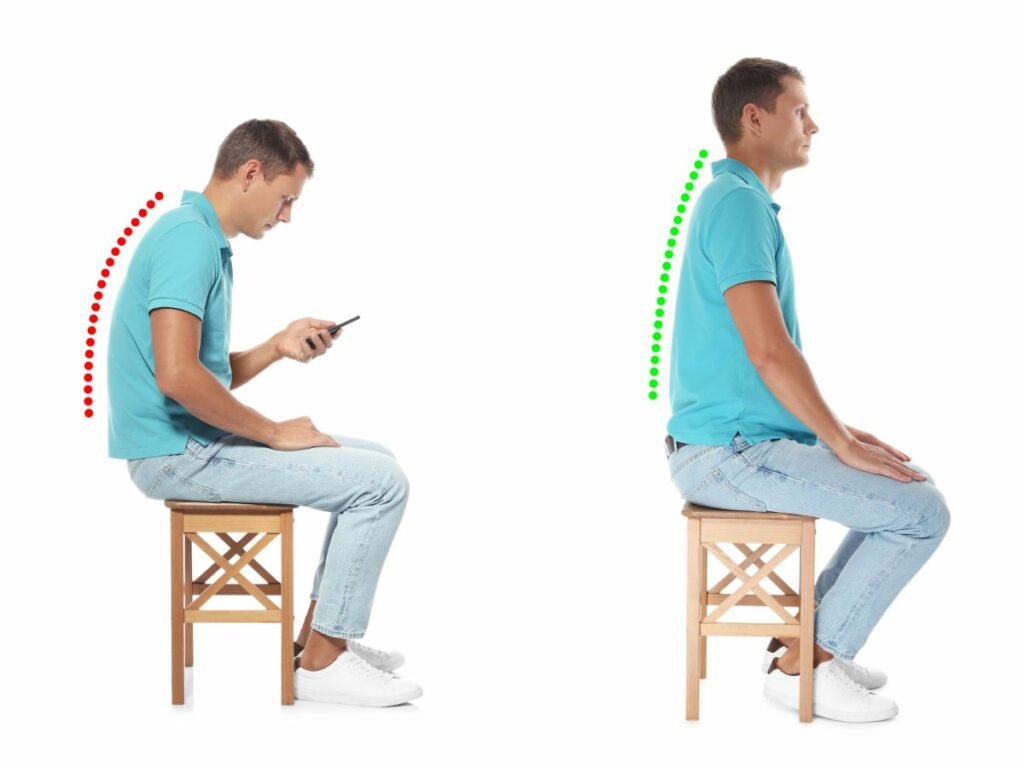
Good posture helps reduce unnecessary strain on the spine and surrounding muscles. Sitting upright, keeping shoulders level, and avoiding slouching can help maintain better spinal alignment. Small posture improvements throughout the day can make a noticeable difference in pain levels.
5. Proper Sleep Support
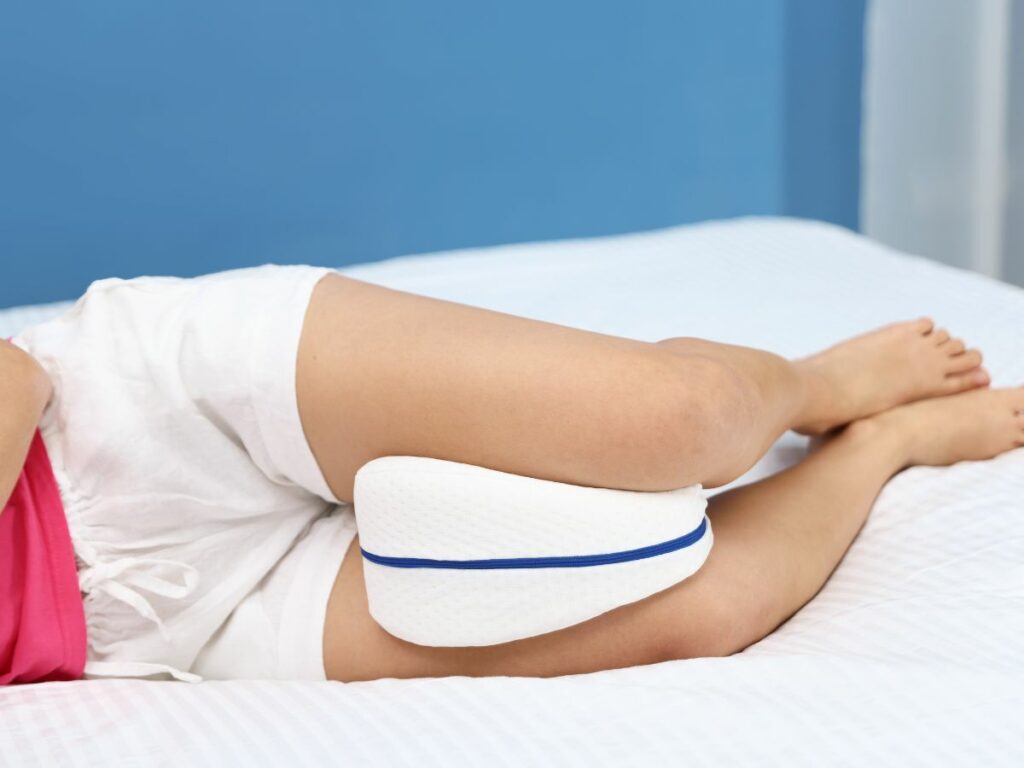
Sleeping in a supportive position allows the spine and muscles to relax overnight. Using a pillow between the knees when lying on your side or under the knees when lying on your back can help maintain better alignment. A supportive mattress can also reduce pressure on the spine.
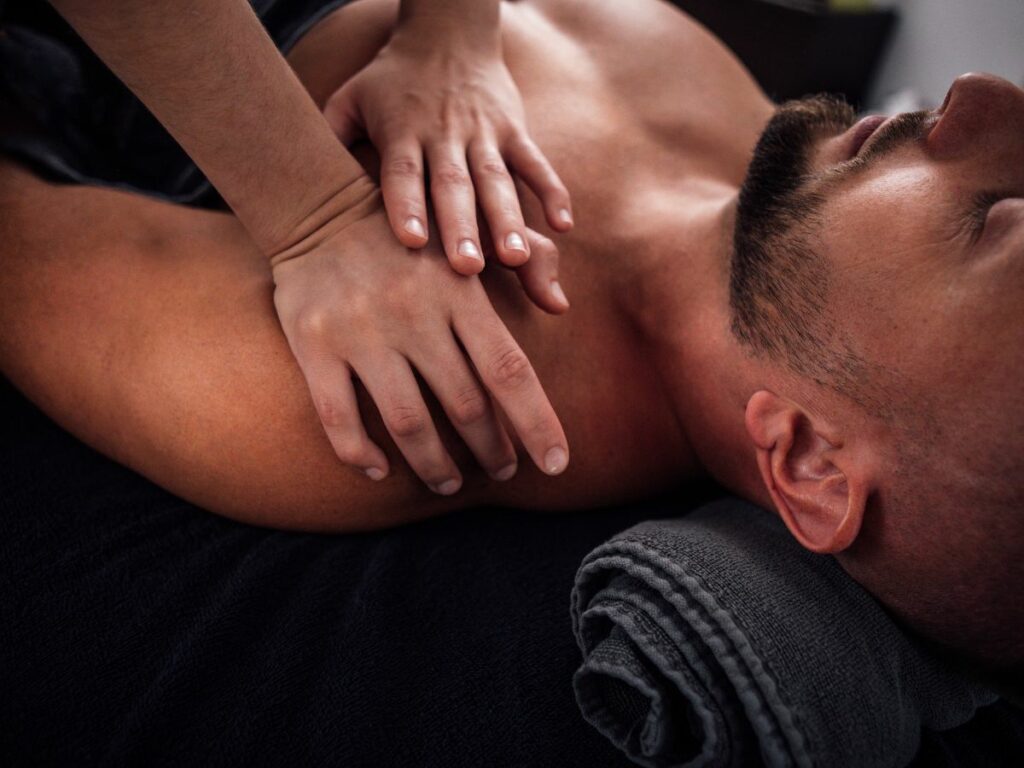
6. Gentle Massage
Massage can help relieve muscle tightness that often develops around the curved areas of the spine. Techniques such as foam rolling or using massage tools can improve circulation and relax tense muscles. Regular massage may help reduce stiffness and promote relaxation.
7. Maintaining a Healthy Weight
Carrying excess body weight can place additional stress on the spine and back muscles. Maintaining a healthy weight helps reduce this pressure and supports overall spinal health. Balanced nutrition and regular physical activity can contribute to better pain management.

8. Over-the-Counter Pain Relief
Some individuals use common pain relievers such as Ibuprofen or Acetaminophen for temporary relief. These medications may help reduce inflammation and ease mild to moderate pain. However, they should be used responsibly and according to recommended guidelines.

9. Scoliosis-Specific Exercises
Specialized exercise programs like the Schroth Method focus on improving posture, breathing, and muscle balance. These exercises are often learned through physical therapy and can be practiced at home once properly instructed. They aim to support spinal alignment and reduce discomfort over time.
While these home strategies can help manage scoliosis pain, persistent or severe symptoms should be evaluated by a healthcare professional. Combining home care with professional guidance can help ensure safe and effective long-term management of scoliosis discomfort.
Types of Scoliosis
Scoliosis can develop for different reasons, and understanding the type of scoliosis can help determine the most appropriate treatment and pain management approach. The condition is generally classified based on its cause and when it develops.
1. Idiopathic Scoliosis
This is the most common type and usually appears during adolescence. The exact cause is unknown, though genetic and developmental factors may play a role.
2. Congenital Scoliosis
This type occurs when the spine does not form properly before birth. Abnormal development of the vertebrae can cause the spine to curve as the child grows.
3. Neuromuscular Scoliosis
Neuromuscular scoliosis develops as a result of conditions that affect muscle control or nerve function. These conditions can weaken the muscles that support the spine, leading to curvature.
4. Degenerative Scoliosis
This form typically affects older adults and develops due to age-related changes in the spine. Wear and tear on spinal discs and joints can gradually cause the spine to curve.
Understanding the different types of scoliosis helps individuals and healthcare providers identify the underlying cause and choose the most effective strategies for monitoring and managing the condition.
Who Is Most at Risk for Scoliosis?
Scoliosis can affect people of all ages, but certain groups are more likely to develop the condition due to genetic, developmental, or health-related factors. Understanding these risk groups can help with early detection and proper monitoring.
- Adolescents During Growth Spurts - Scoliosis often develops during rapid growth, especially between ages 10 and 15.
- Family History - Genetics can increase the risk if close relatives have scoliosis.
- Neuromuscular Conditions - Conditions affecting muscles or nerves can weaken spinal support, leading to curvature.
- Older Adults with Degenerative Spine Changes - Age-related wear on discs and joints can cause scoliosis later in life.
Recognizing who is most at risk can help encourage early screening and timely management, which may reduce the likelihood of complications associated with scoliosis.
How Scoliosis Is Diagnosed
Diagnosis of Scoliosis typically begins with a physical examination and may involve imaging tests to confirm the spinal curve. Early and accurate diagnosis helps guide treatment and monitoring decisions.
1. Physical Examination
A doctor will check for uneven shoulders, hips, or a visible spinal curve. They may also observe posture and assess flexibility and muscle strength.
2. X-Rays
X-rays are the most common imaging tool used to measure the degree and location of spinal curvature. They help track changes over time and guide treatment planning.
3. MRI Scans
An MRI may be used to examine spinal tissues and rule out underlying neurological or structural conditions. It provides a detailed view of soft tissues around the spine.
4. CT Scans
In some cases, a CT scan can provide more precise imaging of the vertebrae. This is especially useful for complex spinal curves or pre-surgical planning.
5. Scoliometer or Adams Forward Bend Test
Simple tools like a scoliometer or bending tests help detect abnormal curvature. They are often used as initial screening methods before imaging is recommended.
Accurate diagnosis combines physical assessment and imaging, allowing healthcare providers to determine the type, severity, and best approach for managing scoliosis.
When Scoliosis Pain Becomes a Concern & When to See a Doctor
While mild scoliosis can often be managed at home, certain symptoms indicate the need for professional evaluation. Recognizing these warning signs early helps prevent complications and ensures timely treatment.
1. Persistent or Worsening Pain
Pain that continues or intensifies despite home care may indicate underlying spinal or muscular issues. Consulting a doctor can help identify the cause and provide targeted treatment.
2. Numbness or Tingling in Arms or Legs
Tingling, numbness, or weakness may signal nerve compression or irritation. Prompt medical attention is important to prevent potential nerve damage.
3. Difficulty Walking or Maintaining Balance
Trouble with mobility or balance can suggest scoliosis is affecting nerves or muscles. Professional evaluation can help maintain safety and recommend interventions if needed.
4. Rapid or Noticeable Changes in Spinal Shape
Sudden changes in posture or spinal alignment may indicate curve progression. Early assessment allows doctors to monitor and manage the condition effectively.
5. Severe Stiffness or Loss of Flexibility
Stiffness that limits daily activities may require physical therapy or other targeted interventions. Seeking medical guidance can improve comfort and mobility.
Being aware of these warning signs ensures timely medical care, helping to manage scoliosis safely and maintain long-term spinal health.
Final Thoughts
Living with Scoliosis can be challenging, but many safe at-home strategies can help reduce pain and improve quality of life. Simple habits like gentle stretching, strengthening exercises, proper posture, supportive sleep positions, and maintaining a healthy lifestyle can significantly ease discomfort and support spinal health over time.
Beyond home care, understanding scoliosis—including its causes, types, risk factors, diagnosis, and warning signs—empowers individuals to make informed decisions about their health. Combined with timely medical evaluation when needed, these strategies help manage symptoms effectively, prevent complications, and allow people with scoliosis to lead active, fulfilling lives.
About Dr. Sean Ormond

Dr. Sean Ormond is dual board-certified in Anesthesiology and Interventional Pain Management. He completed his anesthesia residency at Case Western University in Cleveland, Ohio where he served as Chief Resident, followed by an interventional pain management fellowship at Rush University in Chicago, IL. Following fellowship, Dr. Ormond moved to Phoenix and has been practicing in the Valley for a few years before deciding to start his own practice.