

New Location at 8406 E. Shea Blvd #100, Scottsdale 85260 - Accepting New Patients

Nerve Pain from Shingles Years Later: Causes and Relief Options
Date: May 11, 2026
Nerve pain from shingles years later is primarily caused by long-term damage and hypersensitivity of the nerves triggered by the varicella-zoster virus, and relief options include medications, topical treatments, nerve blocks, and self-care pain management strategies. This lingering condition, known as postherpetic neuralgia, can persist long after the shingles rash has healed because the affected nerves continue sending abnormal pain signals to the brain.
This article covers how shingles leads to long-term nerve damage, why pain can persist or return years later, common symptoms, treatment options, and prevention and risk reduction strategies. It also briefly discusses risk factors and when to seek medical help for ongoing or worsening pain.
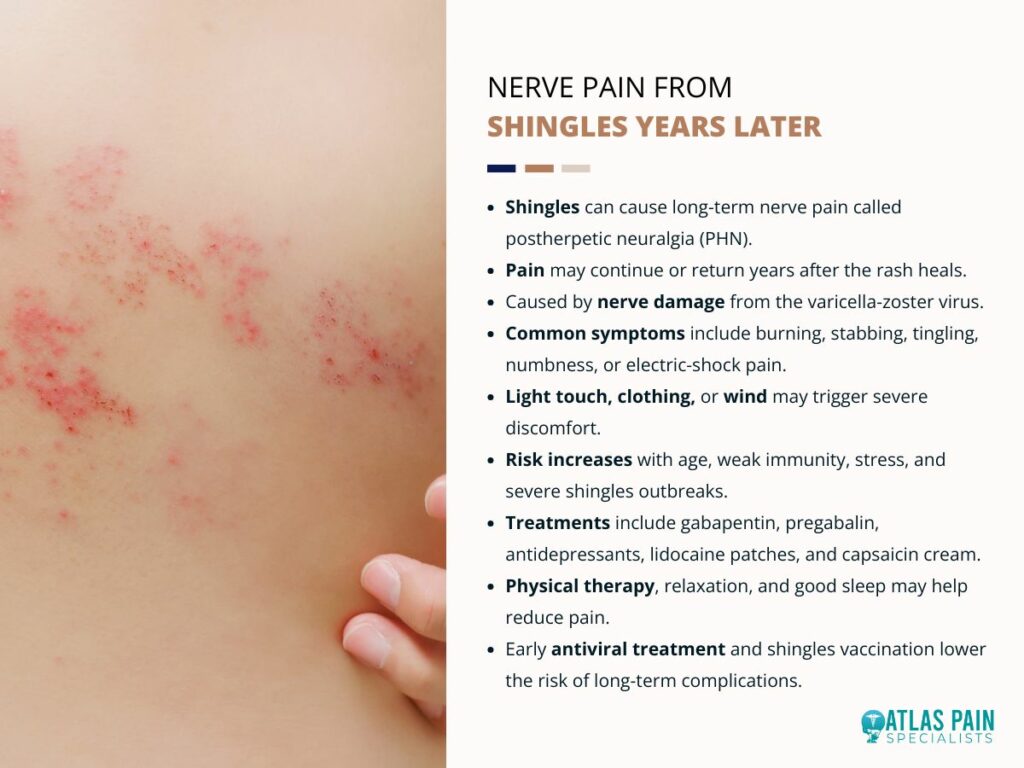
What Is Happening in the Nerves?
Shingles is caused by the varicella-zoster virus, the same virus responsible for chickenpox. After a person recovers from chickenpox, the virus does not fully leave the body. Instead, it remains dormant in nerve tissue for years - sometimes decades - and can reactivate later in life as shingles when immunity weakens.
During a shingles outbreak, several changes occur in the nervous system:
- The virus increases inflammation and directly damages nerve fibers
- Affected nerves become overly sensitive, irritated, or start misfiring
- Even after the skin rash heals, pain signals can continue to fire abnormally
In some cases, this damage leads to postherpetic neuralgia (PHN), where the nervous system becomes “stuck” in a heightened pain state.
As a result, damaged nerves may keep sending distorted or amplified pain signals to the brain, even in the absence of an active infection. This can produce persistent sensations such as burning, stabbing, tingling, or electric-shock-like pain long after the shingles rash has resolved.
Why Nerve Pain Can Appear Years Later
In some people, nerve pain linked to shingles does not fully disappear after the initial infection and may return or become noticeable again years later. This delayed or persistent pain is usually related to how the virus affected the nerves and how the nervous system continues to respond over time.
1. Delayed Nerve Irritation or Sensitization
Damaged nerves may remain unstable even after healing. Over time, normal wear, aging, or minor inflammation can trigger renewed sensitivity or pain signals.
2. Incomplete Nerve Healing
Some nerve fibers do not fully regenerate after shingles damage. This can leave behind weakened or scarred nerves that intermittently misfire and cause pain later on.
3.Central Sensitization (Brain and Spinal Cord Changes)
The nervous system can become “rewired” to interpret normal sensations as pain. Even after the infection is gone, the brain may continue to overreact to signals from the affected area.
4. Triggering Factors Years Later
Factors such as aging, stress, illness, or a weakened immune system can reactivate or amplify dormant nerve sensitivity. These triggers may cause old nerve pain to resurface or worsen.
5. Residual Nerve Damage From Past Infection
In some cases, the original shingles episode leaves long-lasting nerve injury that only becomes noticeable when the body is under strain or natural degeneration occurs with age.
Overall, late-appearing nerve pain after shingles is usually the result of lingering nerve damage combined with changes in how the nervous system processes pain over time.
What Nerve Pain Feels Like
Nerve pain after shingles can vary widely from person to person, but it is often described as unusual, intense, and difficult to ignore. It tends to affect the same area where the original shingles rash appeared and can range from mild discomfort to severe, disabling pain.
1. Burning or Hot Sensation
Many people describe it as a constant burning feeling, similar to having the skin on fire. This sensation can persist even without any visible skin changes.
2. Sharp, Stabbing, or Electric Shock Pain
The pain may come in sudden bursts that feel like stabbing or electric shocks. These episodes can be brief but extremely intense.
3. Deep Aching or Throbbing Pain
Some experience a persistent, deep ache that feels like it is coming from within the nerves or muscles. This type of pain can be constant and exhausting over time.
4. Extreme Sensitivity to Touch (Allodynia)
Even light contact, such as clothing or a gentle breeze, can trigger significant pain. This heightened sensitivity makes everyday activities uncomfortable.
5. Numbness Mixed With Pain
In some cases, areas of the skin may feel numb while still producing pain signals. This confusing mix occurs because damaged nerves send inconsistent messages to the brain.
Nerve pain from shingles is often complex and can combine multiple sensations, making it one of the more challenging types of chronic pain to live with.
Relief Options and Treatment Strategies
Managing nerve pain after shingles often requires a combination of medical treatments and supportive therapies. Because the pain is nerve-related rather than purely skin-deep, approaches usually focus on calming overactive nerve signals and improving overall comfort.

1. Prescription Medications
Doctors often prescribe nerve-targeting medications such as gabapentin or pregabalin to reduce abnormal nerve firing. Certain antidepressants like amitriptyline or nortriptyline may also help regulate pain signals and improve sleep.
2. Topical Treatments (Skin-Based Relief)
Topical options such as lidocaine patches can numb the affected area and provide temporary relief from localized pain. Capsaicin cream or patches may also help by gradually reducing the sensitivity of nerve endings over time.
3. Advanced Medical Procedures
For more severe or persistent cases, treatments like nerve blocks or steroid injections may be used to interrupt pain signaling. In rare cases, procedures such as spinal cord stimulation are considered when other options are not effective.
4. Non-Medication Approaches
Therapies such as physical therapy, gentle movement, and acupuncture may help reduce nerve sensitivity and improve function. Mind-body techniques like relaxation exercises and meditation can also assist in managing pain perception.
5. Lifestyle Support
Good sleep habits, stress management, and regular low-impact exercise can help stabilize the nervous system and reduce flare-ups. A balanced diet and overall health maintenance also support nerve recovery and resilience.
In summary, effective relief often comes from combining multiple strategies rather than relying on a single treatment. Working with a healthcare provider helps tailor the right mix of options based on pain severity and individual response.
Can It Go Away?
Post-shingles nerve pain (postherpetic neuralgia) can improve over time, but the course varies widely from person to person. Some people experience gradual relief within months, while others may have symptoms that last for years.
1. Yes, in many people it gradually improves
Nerves can slowly recover and become less sensitive over time, leading to reduced pain intensity. This is more likely when nerve damage is mild or when treatment begins early.
2. Some people experience long-term or chronic pain
If nerve damage is more severe, pain may persist for years or become a long-term condition. In these cases, symptoms are usually managed rather than fully cured.
3. Pain may come and go over time
Even when not constant, nerve pain can flare up due to stress, illness, or fatigue. These episodes often become less frequent or less intense over time.
4. Treatment can significantly improve outcomes
Medications, therapies, and lifestyle changes can reduce pain and improve nerve function. While not always eliminating pain completely, they often make it much more manageable.
Nerve pain after shingles can go away for some people, especially with mild nerve damage and proper care. However, for others it may persist long-term, making ongoing management and treatment important for maintaining quality of life.
When to See a Doctor
Nerve pain after shingles can sometimes be managed at home, but persistent or worsening symptoms may require medical attention. Early evaluation can help rule out other conditions and improve treatment outcomes.
1. Pain Lasts for Weeks or Months After Shingles
If nerve pain continues long after the rash has healed, it may indicate postherpetic neuralgia. A doctor can help confirm the diagnosis and recommend appropriate treatment.
2. Pain Is Getting Worse Instead of Improving
Worsening pain over time may suggest ongoing nerve irritation or another underlying issue. Medical assessment is important to adjust or start treatment early.
3. Pain Affects Sleep or Daily Activities
When discomfort interferes with rest, work, or basic functioning, it should be evaluated. Proper treatment can significantly improve quality of life.
4. New Neurological Symptoms Appear
Symptoms like muscle weakness, spreading numbness, or unusual sensations should be checked promptly. These may indicate additional nerve involvement or other conditions.
You should see a doctor if nerve pain persists, worsens, or begins to interfere with daily life. Early treatment can help manage symptoms more effectively and prevent long-term discomfort.
Prevention and Risk Reduction
Proactive measures are the most effective defense against the long-term neurological complications associated with the shingles virus. By focusing on both clinical prevention and early intervention, individuals can significantly lower their chances of developing chronic nerve pain.
1. Vaccination Protocol
The most effective preventive measure is the recombinant zoster vaccine, which is over 90% effective at preventing shingles and its subsequent nerve complications in older adults.
2. Early Antiviral Intervention
Starting prescription antiviral medications within 72 hours of the initial rash appearing can limit nerve damage and drastically reduce the duration of the infection.
3. Immune System Support
Maintaining a robust immune system through balanced nutrition and stress management helps keep the dormant virus suppressed within the nerve tissues.
4. Prompt Pain Management
Addressing acute pain aggressively during the initial outbreak may prevent the nervous system from becoming "sensitized," which often leads to long-term neuralgia.
Taking these steps not only reduces the likelihood of an initial outbreak but also ensures that if shingles does occur, the impact on your long-term quality of life is minimized. Consistently monitoring your health and staying current with recommended immunizations remains the gold standard for risk reduction.
Key Takeaway
Nerve pain after shingles is caused by lasting damage and increased sensitivity in nerves affected by the varicella-zoster virus, which can continue to send pain signals even long after the skin has healed. Relief typically involves a mix of medications, topical therapies, medical procedures, and supportive lifestyle changes that work together to calm nerve activity.
For some people, the pain gradually improves over time, while for others it may persist and require long-term management. With appropriate treatment and consistent care, symptoms can often be significantly reduced, leading to better comfort and improved daily living.
About Dr. Sean Ormond

Dr. Sean Ormond is dual board-certified in Anesthesiology and Interventional Pain Management. He completed his anesthesia residency at Case Western University in Cleveland, Ohio where he served as Chief Resident, followed by an interventional pain management fellowship at Rush University in Chicago, IL. Following fellowship, Dr. Ormond moved to Phoenix and has been practicing in the Valley for a few years before deciding to start his own practice.